
Artists on Artworks: Nikita Gale on
Kara Walker’s Unmanned Drone
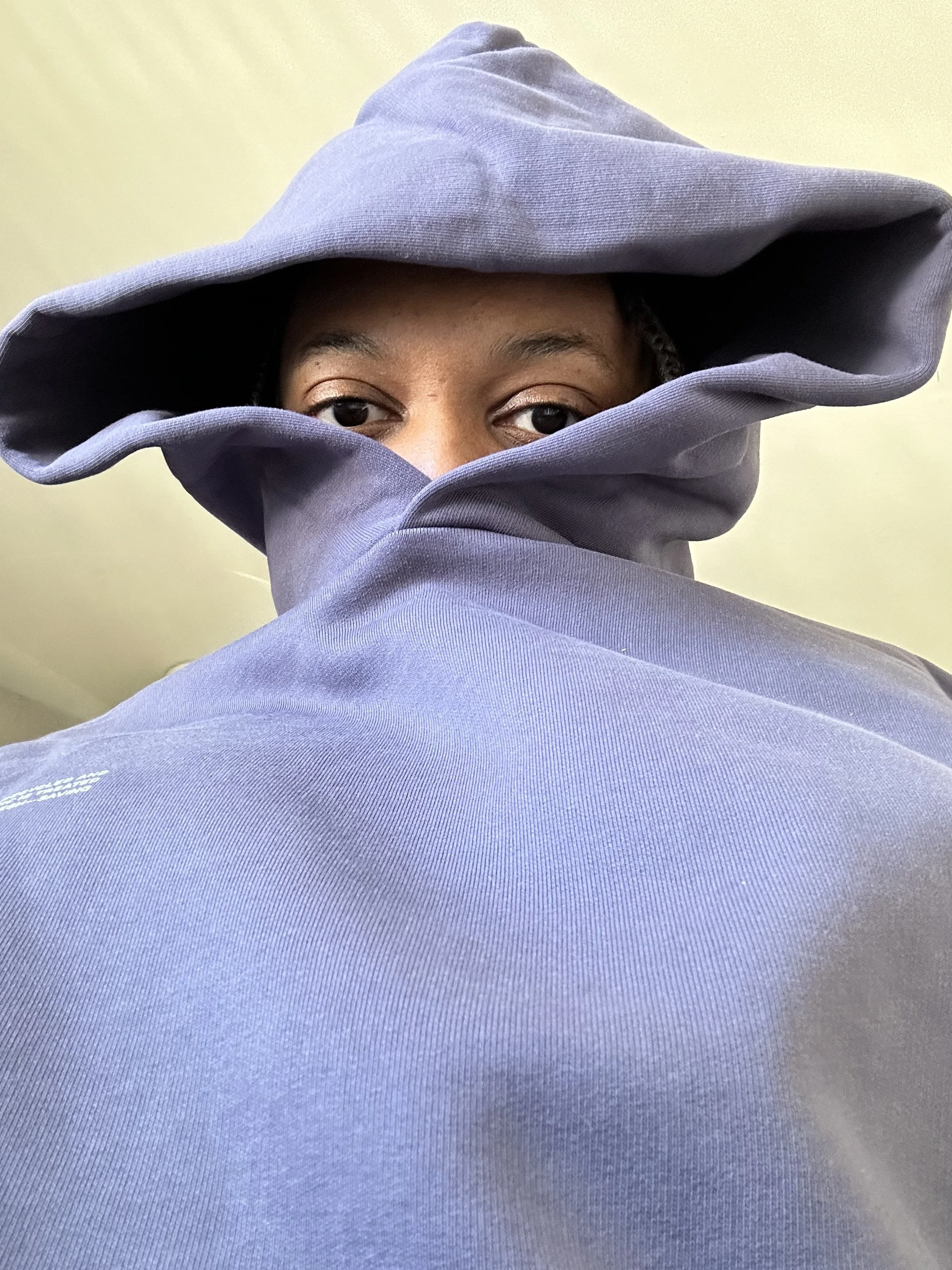
Nikita Gale. Courtesy of the artist.
Sunday, April 19, 12 pm
The Brick
518 N. Western Avenue
Free
In this gallery talk, Nikita Gale will speak about Kara Walker’s Unmanned Drone from her perspective as a sculptor.
Nikita Gale is an artist living and working in Los Angeles, California. The artist holds a BA in Anthropology with an emphasis in Archaeological Studies from Yale University and an MFA in New Genres from UCLA. The artist’s work has recently been exhibited in the 2024 Whitney Biennial (New York); Tate Modern (London); Chisenhale (London); LAXART (Los Angeles); 52 Walker (New York); MoMA PS1 (New York); Kunstraum Kreuzberg (Berlin); Swiss Institute (New York); California African American Museum (Los Angeles); and The Studio Museum in Harlem (New York). In 2024, Gale received the Whitney Museum's prestigious Bucksbaum Award. Gale's work explores the relationships between material, power, and attention and examines the ways in which silence, noise, and visibility function as political positions and conditions.
This program is presented in conjunction with MONUMENTS, an exhibition co-organized and co-presented by The Brick and The Museum of Contemporary Art Los Angeles (MOCA).
This program is made possible in part by a grant from the City of Los Angeles Department of Cultural Affairs.
